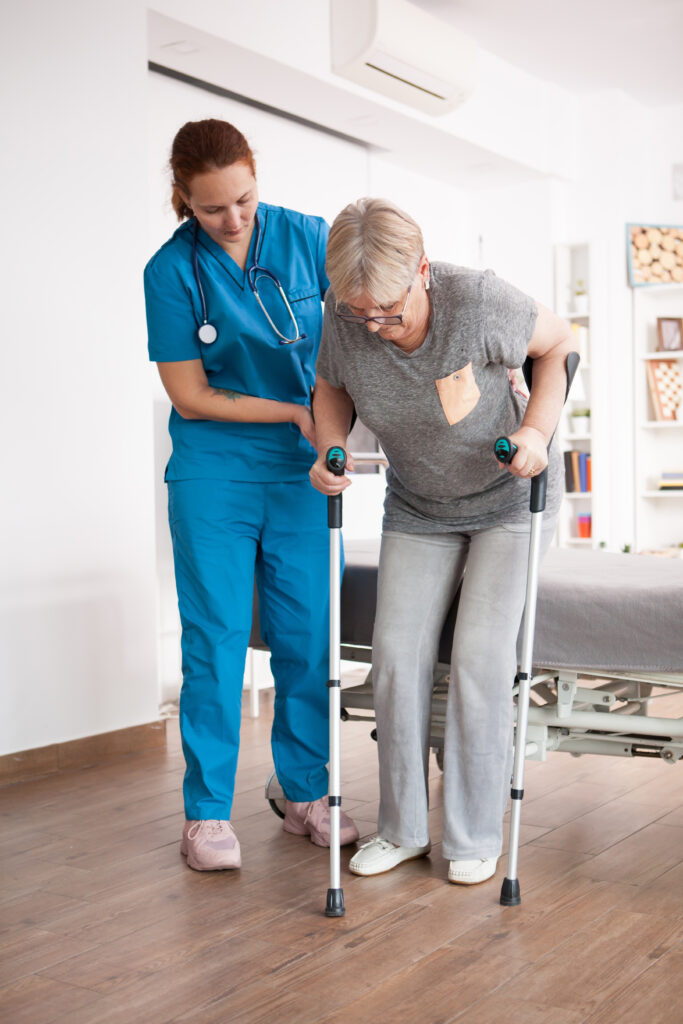
Gait training is a key part of stroke rehabilitation. It helps stroke survivors learn to walk again. With advanced mechanics, such as robotics and special treadmills, recovery can be faster and safer. For many people, walking after a stroke is a big challenge. However, modern gait training offers hope and real progress. In this blog, we explain what gait training is, how new technology helps, and what steps are involved. We also share tips for recovery and when to seek expert help.
What is Gait Training?
Gait training is a type of physical therapy. It helps people relearn how to walk after an injury or illness. For stroke survivors, this therapy is very important. After a stroke, muscles may be weak or stiff. Sometimes, balance is also affected. Because of this, walking can feel unsafe or hard. Gait training uses special exercises and tools to improve walking skills. Therapists guide patients through each step. Over time, people can regain strength, balance, and confidence. According to the CDC, early therapy can improve recovery after a stroke.
How Advanced Mechanics Support Recovery
Today, advanced mechanics play a big role in gait training. For example, robotic devices can help move the legs in a natural way. Exoskeletons are wearable machines that support the body and help with movement. In addition, special treadmills with harnesses keep patients safe while they practice walking. These tools make therapy more effective and less tiring. As a result, patients often see faster progress. Moreover, advanced technology can track each step and show real-time feedback. This helps therapists adjust the plan for better results. Studies in medical journals show that these tools can improve walking speed and safety for stroke survivors.
Step-by-Step Gait Training Process
Gait training follows a clear process. Each step is important for safe and steady progress. Here is how it usually works:
Because each person is different, therapy is always tailored to individual needs.
Benefits of Gait Training for Stroke Survivors
Gait training offers many benefits for stroke survivors. These include:
In addition, regular therapy can lower the risk of future health problems.
Tips for Maximizing Recovery
There are many ways to get the most from gait training. Here are some helpful tips:
Because recovery can take time, staying motivated is important. Remember, every step forward counts.
Prevention of Complications
While gait training is safe, it is important to avoid problems. To prevent falls and injuries:
With these steps, you can lower the risk of setbacks during recovery.
When to Consult a Specialist
Sometimes, extra help is needed. You should consult a rehabilitation specialist if you notice:
Because early action can prevent bigger problems, do not wait to seek help.
In summary, gait training with advanced mechanics gives stroke survivors a better chance to walk again. For the best results, follow your therapy plan and stay in touch with your care team. Consult a rehabilitation specialist for personalized gait training guidance.