
Introduction
Paralysis rehab is a vital process for people who have lost movement in part of their body. It focuses on rebuilding strength, improving movement, and helping people regain independence. Early and regular rehabilitation can make a big difference. With the right support, many people see progress over time. This guide explains how paralysis rehabilitation works and why each step matters.
What is Paralysis?
Paralysis means losing the ability to move one or more muscles. Sometimes, it affects just one part of the body. Other times, it can involve larger areas. For example, a person may not be able to move their arm or leg. In some cases, both sides of the body are affected. Paralysis can be temporary or permanent, depending on the cause.
Common Causes of Paralysis
Many health problems can lead to paralysis. Knowing the cause helps guide treatment. Some common causes include:
Sometimes, rare conditions or birth defects can also cause paralysis.
The Role of Physiotherapy in Paralysis Rehab
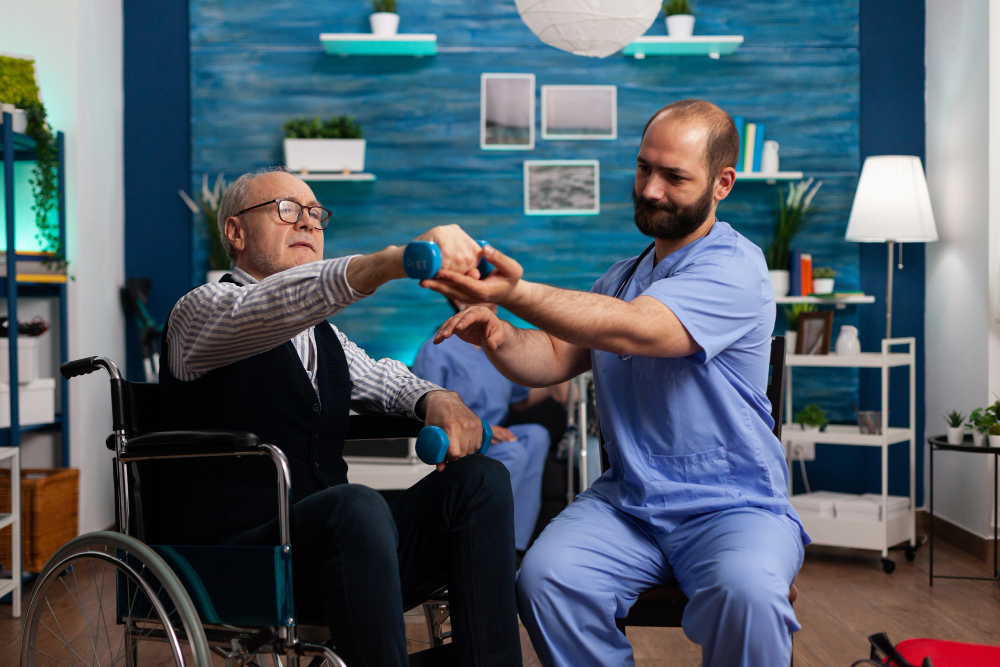
Physiotherapy is key in paralysis rehab. It helps people regain strength and movement. A physiotherapist creates a plan based on each person’s needs. For example, they may use special exercises, stretches, and massage. Over time, these methods can improve muscle control and reduce stiffness. In addition, physiotherapy for paralysis recovery often includes teaching safe ways to move and prevent injuries.
Step-by-Step Approach to Rebuilding Strength
Rebuilding strength after paralysis takes time and patience. However, a step-by-step approach can help. Here is a common process:
Throughout rehab, regular check-ins help track progress and adjust the plan as needed.
Home Exercises and Lifestyle Tips
Even at home, simple steps can support recovery. For example, try these tips:
Remember, small steps add up over time. Consistency is key for regaining strength after paralysis.
Prevention of Complications
Paralysis can lead to other health problems. However, taking action early can help prevent these issues. Watch for:
To lower risk, change positions often, keep skin clean and dry, and follow your rehab plan closely. If you notice any new problems, tell your doctor right away.
When to Seek Professional Help
Sometimes, home care is not enough. Seek help from a physiotherapist or doctor if you notice:
Additionally, if you are not making progress, a specialist can adjust your rehab plan. Many cities have paralysis rehab centers that offer expert care and support. Early help can improve your chances of recovery.
Consult a physiotherapist or rehabilitation specialist for personalized guidance on paralysis recovery.