
Parkinson’s disease is a long-term brain disorder that affects movement. It often causes shaking, stiffness, and trouble with balance. Many people with Parkinson’s disease also face changes in mood and thinking. While there is no cure, early diagnosis and proper care can help. Physiotherapy is a key part of managing Parkinson’s disease. It helps improve movement and quality of life. In this blog, we will explain Parkinson’s disease, its symptoms, diagnosis, and how physiotherapy can help.
What is Parkinson’s Disease?
Parkinson’s disease is a condition that affects the nervous system. It mainly impacts how the body moves. The disease happens when certain brain cells stop working or die. These cells make a chemical called dopamine. Dopamine helps control movement. When there is less dopamine, people have trouble moving smoothly. Over time, symptoms can get worse. However, with the right care, many people manage their symptoms well.
Symptoms of Parkinson’s Disease
People with Parkinson’s disease may notice different symptoms. These can be motor (movement-related) or non-motor (not related to movement). Early signs are often mild, but they can become more noticeable as the disease progresses.
Besides movement symptoms, people may also experience:
Because symptoms vary, it is important to talk to a doctor if you notice changes.
Causes and Risk Factors
Doctors do not know the exact cause of Parkinson’s disease. However, several factors may increase risk:
Although these factors can increase risk, many people with Parkinson’s have no clear cause.
Diagnosis
Doctors diagnose Parkinson’s disease based on symptoms and a physical exam. There is no single test for the disease. Instead, doctors may:
Sometimes, doctors may try Parkinson’s medication to see if symptoms improve. Early diagnosis helps start treatment sooner, which can slow symptom progression. (Source: CDC)
Role of Physiotherapy in Parkinson’s Disease
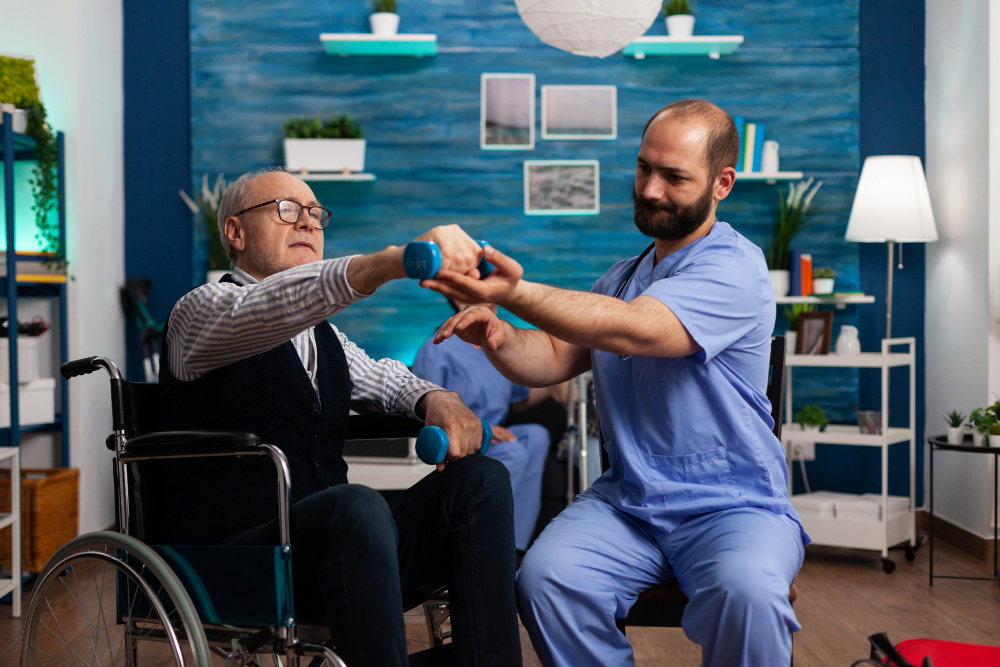
Physiotherapy is an important part of Parkinson’s disease management. It helps people stay active and independent. Physiotherapists design exercises to improve strength, balance, and flexibility. These exercises can make daily tasks easier and reduce the risk of falls.
Common physiotherapy interventions include:
With regular physiotherapy, people often notice better movement and less stiffness. In fact, “Parkinson’s disease physiotherapy” and “rehabilitation for Parkinson’s” are proven to improve quality of life. (Source: WHO)
Treatment Options
Treatment for Parkinson’s disease focuses on managing symptoms. Doctors may suggest:
Supportive care, such as counseling and support groups, can also help. In some cities, you may find specialized “Parkinson’s disease treatment” centers offering full rehabilitation programs.
Lifestyle and Self-Care Tips
Living with Parkinson’s disease can be challenging. However, simple changes can make daily life easier. Here are some tips:
With these steps, many people maintain independence and enjoy a better quality of life.
Prevention and Early Detection
Currently, there is no known way to prevent Parkinson’s disease. However, early detection can make a big difference. If you notice tremors, stiffness, or changes in movement, see a doctor soon. Early diagnosis allows for faster treatment and better outcomes. Research is ongoing to find ways to prevent or slow the disease.
In summary, Parkinson’s disease is a complex condition, but many people manage it well with the right care. Physiotherapy, medication, and lifestyle changes all play a role. If you or a loved one has symptoms, consult a healthcare professional or physiotherapist for personalized advice.