
Introduction
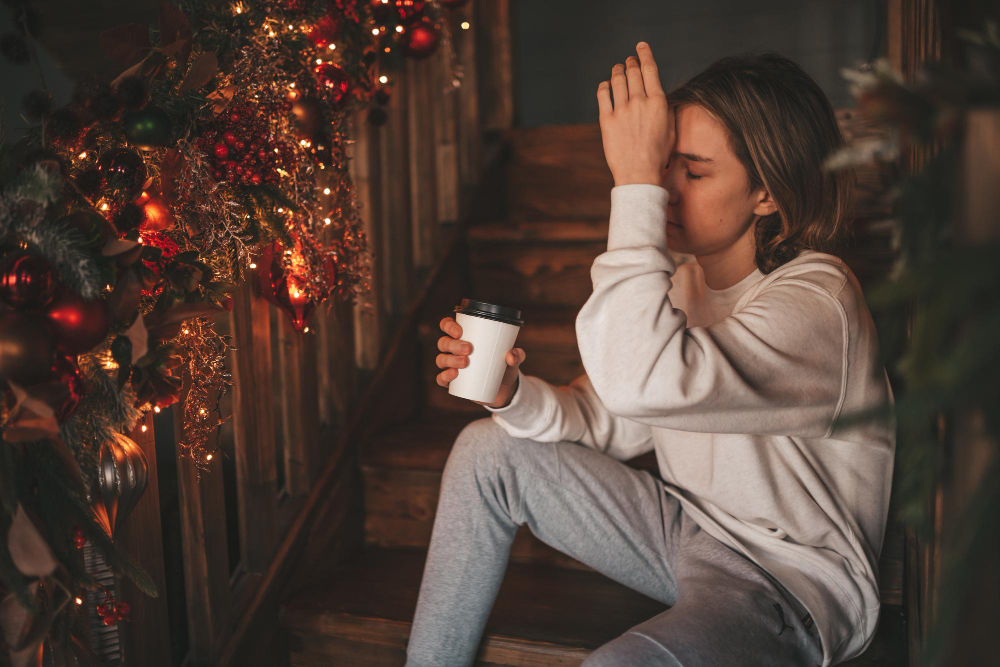
Many people feel lonely during special times. Coping with loneliness during celebrations can be hard, especially when others seem happy. These feelings can affect both your mind and body. For some, holidays or festivals bring memories of loss or change. Others may feel left out or isolated. However, you are not alone. Understanding why loneliness happens and learning ways to manage it can help you feel better. This blog shares simple, proven strategies to support your well-being during these times.
Common Causes of Loneliness During Celebrations
There are many reasons why someone may feel lonely during holidays or celebrations. For example, some people may be far from family or friends. Others may have lost a loved one. Sometimes, health problems or limited movement can make it hard to join in. In addition, social media can make loneliness worse by showing only happy moments from others. Even if you are surrounded by people, you may still feel alone.
Recognizing the Signs and Symptoms
It is important to notice the signs of loneliness. Often, these signs are both physical and emotional. For instance, you may feel sad or empty. You might lose interest in activities you once enjoyed. Sometimes, you may have trouble sleeping or feel tired. In some cases, you may avoid social events or feel anxious around others. Recognizing these signs early can help you take action.
Impact on Physical and Mental Health
Loneliness does not just affect your mood. It can also impact your body. According to the World Health Organization (WHO), loneliness can raise your risk for heart problems and lower your immune system. Over time, it may lead to depression or anxiety. In addition, people who feel lonely may move less, which can cause pain or stiffness. Therefore, taking care of both your mind and body is important during celebrations.
Evidence-Based Coping Strategies
There are many ways to cope with loneliness during holidays. Research shows that staying active helps both your body and mind. Physiotherapy can play a key role in emotional well-being. For example, gentle exercises can boost your mood and reduce stress. Even simple stretches or walking can help. Moreover, connecting with others, even online, can make a big difference. Try to set small, daily goals for movement and social contact.
According to the CDC, regular physical activity can improve mood and lower stress. If you have trouble moving, a physiotherapist can suggest safe exercises for you.
Prevention and Self-Care Tips
Taking care of yourself can help prevent loneliness. First, plan ahead for celebrations. Even small plans can help you feel more in control. Next, focus on healthy habits. Eating well, sleeping enough, and staying active are key. Also, try to limit time on social media if it makes you feel worse. Remember, it is okay to say no to events that feel overwhelming.
When to Seek Professional Help
Sometimes, loneliness can feel too much to handle alone. If your feelings last for weeks or get worse, it may be time to seek help. For example, if you feel hopeless, have trouble doing daily tasks, or think about hurting yourself, talk to a doctor or mental health professional. Physiotherapists can also support your emotional well-being by helping you stay active and connected.
Conclusion
Loneliness during celebrations is common, but you can take steps to feel better. By staying active, reaching out, and caring for your body and mind, you can improve your well-being. If you need extra support, do not hesitate to ask for help. Consult a specialist for personalized guidance.